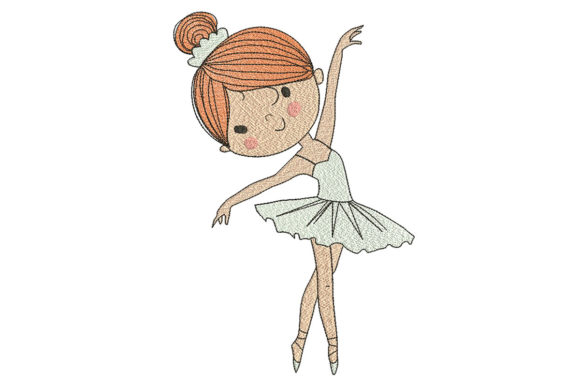
Ballet Dancer Embroidery Review for Boutique Apparel
As an experienced embroidery designer, I am always on the hunt for digital files that bridge the gap between artistic expression and commercial viability. When browsing Creative Fabrica embroidery collections, I recently encountered a design titled Ballet Dancer. My initial assessment focused on its potential to elevate a small clothing brand or a handmade product line. This review explores how this specific dance-themed machine embroidery design performs when applied to boutique apparel, sweatshirts, and lifestyle accessories.
First Impressions: Visual Personality and Mood
The moment you open the file for Ballet Dancer, the visual personality becomes clear. It carries a mood that is both graceful and structured. Unlike some designs that feel overly rigid or purely illustrative, this piece seems to capture the fluidity of movement through its stitch direction. The decorative strength lies in its ability to look premium without appearing cluttered. It strikes a balance between being cute and classic, making it versatile enough for various demographics.
For a boutique brand looking to establish a cohesive identity, this design offers a strong foundation. It feels feminine yet professional, suitable for a studio aesthetic or a modern dancewear label. The detail level appears sufficient to hold up under close inspection, which is crucial for customer engagement and trust. Whether you are aiming for a minimalist look or a bold statement piece, the core imagery of the Ballet Dancer provides a solid anchor for your creative vision.
Applying Ballet Dancer to Sweatshirt and Hoodie Collections
One of my primary use cases for reviewing this design was imagining a small collection of hoodies and sweatshirts. The versatility of sweatshirt embroidery allows for unique material combinations, and Ballet Dancer fits seamlessly into this category. On neutral-colored sweatshirts, such as heather grey or oatmeal, the design would likely pop with high contrast if paired with contrasting thread colors.
I envision placing this hoodie design on the left chest area for a subtle, sophisticated accent. This placement works well for everyday wear and aligns with current trends in custom apparel. For a more dramatic effect, the back of a hoodie could feature a larger version of the dancer, perhaps spanning from the shoulder blades down to the mid-back. This creates a focal point that turns a simple garment into a statement piece.
Sleeve accents are another excellent option. A smaller iteration of the Ballet Dancer on the upper sleeve can add a touch of personality without overwhelming the silhouette. This is particularly effective on oversized garments where there is ample negative space around the main body of the design. Additionally, pairing this design with pastel hoodies could create a soft, dreamy aesthetic that appeals to younger audiences or those seeking cozy seasonal outfits.
Expanding Beyond Apparel
The utility of this machine embroidery design extends far beyond just clothing. For Etsy sellers and digital creators, Ballet Dancer is perfect for tote bag designs. A canvas tote featuring this embroidery instantly transforms a basic accessory into a lifestyle product photo ready for social media graphics or online listings.
Denim jackets also offer a textured backdrop that complements the elegance of the design. The stiffness of denim supports the stitch density well, ensuring the finished product maintains its shape. Furthermore, this design can be adapted for printable mockups, allowing you to visualize how the embroidery will sit on different fabric textures before committing to production. This foresight helps in creating professional presentations that increase buyer confidence.
Strategic Placement and Technical Considerations
While the design has broad appeal, there are specific areas where care must be taken during the digitizing and stitching process. Small chest placements require precision; if the design is too large for the intended area, it may distort the proportions of the dancer. Conversely, if placed too small, fine details might get lost in the fabric texture.
Dense stitch areas should be evaluated carefully. If the original file contains heavy satin stitches, they may not lay flat on stretchy fabrics like fleece or ribbed fabric without proper stabilization. Dark garments present their own challenges; selecting the right thread colors is essential to ensure visibility. Light threads on dark backgrounds often require a higher stitch count or a specific underlay technique to prevent the background color from bleeding through.
Curved surfaces, such as the front of a cap or the rounded shoulder of a fitted tee, can cause distortion if the hoop size is not adequate. It is vital to inspect the stitch density and confirm that the design can handle the tension required for curved surfaces. Tiny lettering, if included, should be tested to ensure legibility after washing and wear.
Impact on Brand Identity and Value
Using a high-quality design like Ballet Dancer directly affects the perceived value of your finished product. Professional presentation is key to building a loyal customer base. When a buyer sees consistent visual quality across a collection, it reinforces brand identity and fosters recognition. A well-executed embroidery project signals attention to detail, which translates to higher buyer trust.
For commercial embroidery projects, the choice of materials plays a significant role. The right selection of materials for embroidery ensures that the final output matches the designer's intent. If the thread colors are chosen thoughtfully to complement the garment, the overall aesthetic becomes more cohesive. This attention to detail can differentiate a handmade product from mass-produced items, allowing small shop products to command better prices.
Practical Designer Notes for Production
Before adding Ballet Dancer to your production line, several practical steps are necessary. First, always test on scrap fabric that mimics the weight and stretch of your target garment. This helps identify any potential puckering or distortion issues early in the process.
Check stabilizer choice meticulously. For sweatshirts, a cut-away stabilizer is often recommended to provide long-term support, while tear-away might suffice for lighter t-shirts. Review thread color contrast against the fabric to ensure the design stands out. Confirm hoop size compatibility to avoid cutting off parts of the dancer during the stitching cycle.
Inspect stitch density closely. If the design feels too dense for the chosen fabric, it may result in a stiff, uncomfortable finish. Compare placement options on the actual garment to see how the design interacts with seams and pockets. Finally, check Creative Fabrica product details and licensing terms thoroughly before selling finished apparel. Understanding the commercial rights ensures that your business remains compliant and protected.
Final Thoughts on Design Versatility
In conclusion, the Ballet Dancer embroidery file offers a compelling option for decorators and designers looking to expand their inventory. Its blend of grace and structure makes it suitable for a wide range of applications, from cozy hoodies to chic tote bags. By paying attention to technical details like stabilizer selection and thread contrast, you can leverage this design to create high-value, professional-grade merchandise.
Whether you are an Etsy seller looking to refresh your shop or a small clothing brand launching a new line, this design provides the artistic foundation needed to stand out. The ability to choose your own color scheme adds another layer of customization, allowing you to tailor each piece to your specific audience. With careful planning and execution, Ballet Dancer can become a signature element in your collection, driving engagement and sales for your handmade business.