Horse Line: A Designer's Review for Small Business Merch
As an experienced embroidery designer who has spent years refining designs for everything from high-end boutique labels to mass-market promotional items, I approach every new machine embroidery design with a critical eye. When evaluating a file like Horse Line, my focus shifts immediately from aesthetic appreciation to commercial viability. The description notes that this beautiful design is perfect for pillows or home decor gifts, but for small business owners and merch creators, the real question is whether it can stand up to the rigors of branded merchandise, staff uniforms, and durable product labels.
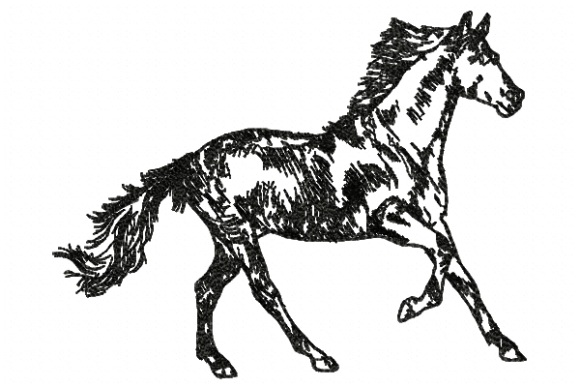
The title "Horse Line" suggests a sense of movement and direction, while the visual promise of a "beautiful" design implies a level of polish that is essential for building brand trust. In the world of custom apparel and handmade products, the difference between a cheap-looking sticker and a premium embroidered patch often comes down to stitch density, outline clarity, and overall composition. This review breaks down how Horse Line performs when moved from a decorative pillow case to the front of a cap, the side of a tote bag, or as a signature accent on a bakery apron.
First Impressions: Personality and Brand Fit
Before running a single stitch, I analyze the personality of the design based on its name and intended use. Horse Line feels inherently rustic yet modern. It strikes a balance between playful and professional, making it an excellent candidate for businesses that want to convey a sense of heritage without feeling outdated. For a pet brand, a local florist, or a creative studio, this design offers a friendly vibe that resonates with customers looking for authentic, handmade product experiences.
However, the term "Line" in the title is crucial. In embroidery, lines must be clean and distinct to avoid merging into a blob at smaller sizes. If Horse Line relies on fine, intricate details, it may struggle on curved surfaces like caps or tight spaces like chest logos. Conversely, if the design features bold, sweeping strokes, it will translate beautifully onto large-format items like tote bags or work shirts. The potential for this design to serve as a versatile design asset is high, provided the underlying stitch structure supports the intended scale of application.
Real-World Application for Small Business Merch
Imagine a scenario where a local café or boutique wants to launch a line of branded goods. They need more than just a logo; they need a visual element that adds value to their physical products. Here is how Horse Line could function across various categories:
- Embroidered Patches: This is perhaps the most common use case for high-quality designs. Horse Line would make a striking back-of-jacket patch or a sleeve accent for staff uniforms. The key here is ensuring the design has enough negative space to allow for a clean border or satin stitch edge, which is vital for a professional finish on an embroidered patch.
- Cap Embroidery: For a hat design, the curvature of the front panel requires a flatter, wider composition. If Horse Line is too tall or detailed, it may pucker on the fabric. However, if scaled correctly, it serves as a perfect cap embroidery focal point that signals quality to the wearer.
- Tote Bag Design: Canvas and cotton totes are ideal for showcasing detailed stitches. Placing Horse Line on a tote bag allows the customer to see the texture and depth of the thread colors. This is a great way to turn a simple accessory into a walking billboard for your brand.
- Apron Embroidery: For bakeries, florists, or craft shops, an apron is a uniform of pride. A well-placed Horse Line on the bib or pocket area adds a touch of elegance to the custom apparel worn by staff, enhancing the perceived value of the service provided.
- Product Packaging Accents: Beyond clothing, this design can be used on hang tags, product boxes, or even stitched directly onto fabric gift bags. This creates a cohesive brand identity that extends beyond the primary item.
Strategic Considerations and Potential Pitfalls
While the potential is exciting, an experienced designer knows that not every design works everywhere. There are specific scenarios where Horse Line requires caution. Small patch sizes are particularly tricky; if the design contains tiny lettering or very thin lines, these elements can disappear or merge together when reduced. Similarly, applying this design to dark uniforms requires careful consideration of thread colors and underlay to prevent the fabric from showing through.
High stitch density is another factor to watch. If the design is too dense, it can cause the fabric to pucker, especially on lightweight materials like jersey or sheer fabrics. Furthermore, items that undergo frequent washing, such as work shirts or kitchen aprons, need a robust stitch structure to maintain integrity over time. Detailed outlines can sometimes fray or lose definition after multiple wash cycles if the stabilizer wasn't chosen correctly.
Curved surfaces, such as the crown of a cap, also demand a flat design profile. If Horse Line has significant vertical height, it may distort on the curve. Before committing to a bulk order, it is essential to test the design on the actual fabric you intend to use. The interaction between the fabric texture and the thread is unique to every project, and a digital preview cannot always predict the final look.
Impact on Brand Identity and Customer Trust
In the competitive landscape of Etsy sellers, merch creators, and product designers, visual consistency is paramount. A poorly executed embroidery job can undermine the professionalism of a brand, while a crisp, well-executed design elevates the entire product line. Using Horse Line effectively can significantly boost customer trust and recognition.
When a customer sees a high-quality commercial embroidery project, they associate that quality with the care put into the entire business. It signals that the brand values detail and durability. For a handmade brand, this attention to detail reinforces the narrative of craftsmanship. It transforms a generic item into a memorable piece of small business merch that customers are proud to wear or display. This emotional connection drives repeat purchases and word-of-mouth referrals.
Practical Designer Notes for Production
Before you rush to produce branded goods using Horse Line, there are several technical steps you must take to ensure success. As a digital embroidery file buyer, your due diligence is the first line of defense against production errors.
- Test in Black and White First: Convert the design to monochrome to check the balance of light and dark areas. This helps identify if any parts of the design are too sparse or too crowded.
- Check Small Patch Sizes: Run a test at the smallest size you plan to use. Ensure all details remain legible and distinct.
- Review Thread Color Contrast: Verify that the chosen thread colors provide sufficient contrast against the target fabric. Low contrast can make the design look muddy or invisible.
- Inspect Spacing and Hoop Size: Confirm that the design fits within your available hoop size. If the design is larger than your hoop, you will need to re-digitize it or split the embroidery process.
- Test on Real Fabric: Never skip the test run. Embroidery behaves differently on denim, canvas, polyester, and cotton. Always stitch a sample on the actual material.
- Use Proper Stabilizer: The choice of stabilizer is critical for preventing puckering and maintaining shape. Use cut-away stabilizers for stretchy fabrics and tear-away for stable wovens.
- Create a Printable Mockup: Before cutting fabric, create a printable mockup for client approval. This allows stakeholders to visualize the final finished product without wasting resources.
- Compare Against Other Assets: Place Horse Line beside your existing logo and other design assets to ensure visual consistency across your brand.
- Confirm Commercial Licensing: Finally, verify the licensing terms of the digital embroidery file. Ensure you have the right to use the design for commercial purposes, including selling finished goods with the embroidery applied.
The description mentions that the design comes with multiple embroidery file formats, which is a positive sign for versatility. However, exact specifications regarding stitch counts, specific file types (like .dst, .pes, .exp), or recommended hoop dimensions are not explicitly detailed in the summary. Therefore, it is imperative to consult the full product documentation or contact the creator for these specifics before starting production.
Ultimately, Horse Line presents a compelling opportunity for small business owners looking to add a touch of character to their merchandise. By following these practical guidelines and understanding the nuances of embroidery, you can transform a simple design file into a powerful tool for brand growth and customer engagement.