Kitchen: A Seasonal Embroidery Review for Holiday Sellers
As an experienced embroidery designer, I spend a significant portion of the year curating collections that will eventually grace the shelves of Etsy shops and craft fairs. When evaluating a new digital file, my mind immediately shifts to the end user: the holiday shopper looking for a unique gift, the crafter building a seasonal collection, or the small business owner trying to differentiate their brand. Recently, I reviewed a design titled Kitchen, and I want to share my professional perspective on how this piece fits into a holiday product strategy.
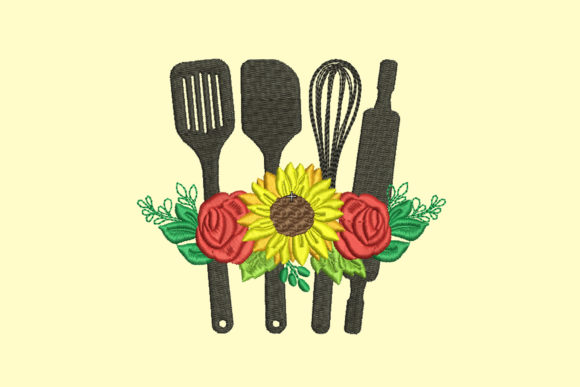
The prompt describes Kitchen as a "fresh and beautiful embroidery" intended to make spending time in the kitchen more pleasurable. For a designer planning a seasonal drop, those words are music to the ears. The emotional tone here is undeniably cozy and inviting. In the context of holiday selling, we are often chasing feelings of nostalgia, warmth, and family connection. This design hits that mark perfectly. It feels less like a generic pattern and more like a personal touch that elevates everyday domestic life.
Seasonal Mood and Design Versatility
When I first analyzed the visual potential of Kitchen, I saw immediate applications for winter holidays and autumn celebrations. The aesthetic appears to be versatile enough to lean into rustic charm or modern elegance, depending on the thread colors chosen. For a December collection, this design could serve as the centerpiece for matching family aprons during cookie baking sessions. Alternatively, it could work beautifully on tea towels displayed in window boxes at a craft fair.
The description mentions using the design on aprons, napkins, and tea towels. These are high-demand items during the holiday season. However, as a seller, you must look beyond the obvious. Could Kitchen be adapted for a tote bag design? Absolutely. A canvas tote embroidered with this motif makes for a practical yet thoughtful handmade gift. Imagine a bundle where a customer buys a matching set: a tea towel, a napkin, and a tote bag, all featuring the same cohesive theme. This kind of product bundling increases the average order value on your Etsy listing significantly.
Furthermore, the design's potential extends to home decor. A pillow cover embroidered with Kitchen adds a layer of sophistication to a living room setup. Even baby items, such as a bib or a soft blanket, could benefit from this gentle, fresh aesthetic. The key is how the design translates across different fabric textures. On a smooth linen napkin, the stitches might appear crisp and premium. On a thicker terry cloth towel, the texture adds a tactile element that buyers love.
Real-World Selling Scenarios
In the competitive world of digital embroidery files and finished goods, presentation is everything. If you are an Etsy seller or a small shop owner, you know that customers need to visualize the product before they buy. Using Kitchen in realistic mockups is crucial. When creating printable mockups for social media previews, ensure the design looks natural on the fabric. Does it sit correctly on the corner of a towel? Does it align well on the chest of a sweatshirt?
For holiday product creators, timing is essential. Limited edition apparel drops often rely on strong visual recognition. A well-executed Kitchen design can become a signature element of your brand's holiday line. Consider creating a "Kitchen Collection" for the holidays. You could offer personalized gifts where the buyer's name is added alongside the main motif. Personalized gifts have a higher perceived value and often sell faster because they feel exclusive.
Social media engagement also plays a massive role. Short videos showing the embroidery machine stitching out Kitchen on various fabrics can drive traffic to your shop. Watching the thread colors come together creates a satisfying visual experience that encourages shares and saves. If you are selling the digital file itself, providing clear instructions on how to achieve the best results on different materials will build trust with your customers.
Critical Considerations for Production
While the potential of Kitchen is high, a professional designer knows that execution determines success. There are specific areas where caution is required. First, consider the hoop size. If the design contains intricate details or tiny lettering, a small hoop might not capture the nuance, leading to a muddy finish. Conversely, if the design is too large, it may not fit standard garment placements.
Stitch density is another vital factor. If the design is too dense, it might pucker on thin fabrics like silk or light cotton. If it is too sparse, it might lack definition on dark fabrics. You must test thread colors on both light and dark fabric to ensure contrast. Metallic threads can add a festive flair for holiday ornaments, but they require careful tension settings to avoid breaking. Always check the stitch count and file format specifications provided by the designer before committing to a production run.
There are also limitations regarding the type of garments. Stretchy garments, such as certain types of sweatshirts or leggings, require a stabilizer that offers enough support to prevent distortion. Curved caps present a unique challenge; the design must be digitized specifically for curved surfaces to avoid stretching upon application. Similarly, items that need repeated washing, like kitchen linens, require durable stitching. Ensure the design uses a satin stitch or dense fill that will withstand the rigors of laundry without fraying.
Technical Notes for the Savvy Seller
- Stabilizer Selection: Use cut-away stabilizer for heavy items like aprons and tear-away for lighter fabrics like napkins. The wrong choice can ruin the drape of the finished product.
- Fabric Texture: Be aware that the texture of the fabric affects the final look. A rough burlap will absorb some detail, while a smooth satin will show every thread.
- Commercial Licensing: Before selling finished seasonal products, confirm the commercial licensing terms of the digital embroidery file. Some licenses restrict the number of units you can sell.
- Color Palettes: Plan matching color palettes that align with current holiday trends. Earth tones work well for fall, while reds, greens, and golds suit Christmas.
- Mockup Accuracy: Create realistic mockups that reflect the actual size of the design on the item. Misleading images lead to returns and negative reviews.
Impact on Brand and Customer Trust
Integrating Kitchen into your seasonal collection does more than just add a product; it enhances your brand consistency. When customers see a cohesive line of items—ranging from embroidered patches to full-sized pillow covers—they perceive your shop as a curated destination rather than a random assortment of goods. This perception builds customer trust.
During the holiday shopping period, emotional engagement drives sales. A design that evokes the feeling of a warm kitchen filled with family memories resonates deeply. Buyers are not just purchasing a textile; they are buying a moment of joy. By offering high-quality finished products made with Kitchen, you validate the customer's desire for quality and authenticity.
However, remember that the success of the design relies on the quality of the embroidery file. If the file is poorly digitized, no amount of marketing will save the product. Always review small details after stitching a sample. Check for loose threads, puckering, or misalignment. If the design requires specific adjustments for different hoop sizes, document these steps clearly for your team or customers.
Final Thoughts for Holiday Creators
The Kitchen design represents a fantastic opportunity for sellers looking to expand their holiday offerings. Its fresh and beautiful nature allows it to transcend simple utility and become a statement piece. Whether you are decorating a favorite apron for a grandmother, creating a matching set for a bridal shower, or launching a limited-time product drop for Black Friday, this design has the versatility to succeed.
As you move forward with your seasonal plans, keep these practical tips in mind. Test thoroughly, plan your marketing visuals carefully, and always prioritize the quality of the finished product. The difference between a good sale and a great reputation lies in the details. With careful execution, Kitchen can become a staple in your embroidery portfolio, bringing joy to kitchens and hearts alike during the most wonderful time of the year.
Remember to verify the specific technical details, such as the exact stitch count, file formats, and license terms, directly from the source before production. By combining a high-quality design like Kitchen with professional craftsmanship, you create products that stand out in a crowded market. Happy stitching and happy selling!