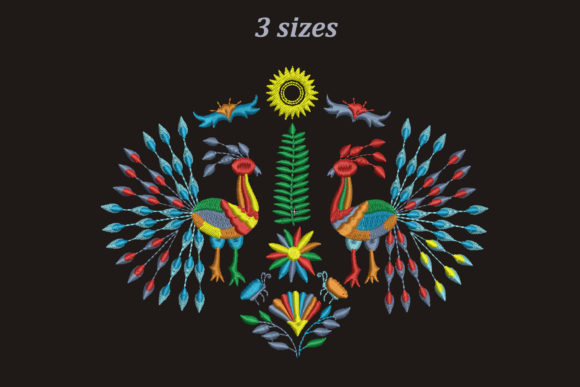
Mexican: A Designer's Review of Otomi Embroidery for Real Projects
When I first opened the file for Mexican, I wasn't just looking at a pattern; I was looking at a story. As someone who spends hours testing digital assets before they ever touch a needle, my initial reaction to this Otomi-inspired design was one of genuine excitement mixed with professional caution. It captures the vibrant soul of Mexican tradition and folklore without feeling like a cliché tourist souvenir. But does it translate well from a screen to a finished product? That is the question every serious crafter and business owner needs to answer.
The First Impression: Mood and Visual Personality
The moment you load Mexican into your embroidery software, the layout speaks volumes. The design embraces the bold geometric shapes and intricate floral motifs characteristic of traditional Otomi art. Unlike many generic patterns that feel flat or repetitive, this piece has a dynamic rhythm. It feels alive, as if the threads are dancing across the fabric. The visual personality is warm, inviting, and deeply rooted in cultural heritage, making it perfect for anyone looking to add a touch of authentic flair to their work.
For a designer, the immediate appeal lies in its versatility. The balance between detailed fill stitches and clean outlines suggests a high-quality finish. However, the complexity also demands respect. This isn't a simple "quick fix" design; it requires thoughtful planning regarding thread colors and stitch density to truly shine. If executed correctly, the result is a piece of wearable art that elevates any garment or home decor item.
Real-World Application: From Screen to Stitch
I recently put Mexican to the test on a custom project for a local boutique client. They needed a unique embroidered patch for a line of artisanal aprons. The challenge was to ensure the design held up under frequent washing while maintaining its crisp details. We started by selecting a heavy-duty cotton canvas, knowing that the texture would complement the folk art aesthetic.
The stitching process revealed the true character of the design. The satin stitches along the borders provided a smooth, durable edge that prevented fraying, while the fill stitches created a rich texture that caught the light beautifully. When we placed the finished apron next to a plain white tote bag design, the difference was stark. The Mexican design commanded attention, adding a layer of perceived value that customers immediately recognized. It transformed a standard utility item into a statement piece.
This same energy translates perfectly to other products. Imagine this design adorning a baby onesie for a festive holiday gift. The bright colors and playful shapes would delight parents and grandparents alike. For an Etsy seller, listing a sweatshirt embroidered with Mexican could be a game-changer. The design's cultural resonance appeals to buyers looking for meaningful, handmade items rather than mass-produced goods. It fits seamlessly into collections focused on bohemian style, cultural appreciation, or artisanal fashion.
Where It Shines Best
Based on my experience, Mexican finds its sweet spot in projects that benefit from bold, colorful storytelling. Here are a few scenarios where it excels:
- Custom Apparel: Sweatshirts and t-shirts where the design can be centered or placed on the back for maximum impact.
- Home Decor: Pillow covers and kitchen towels where the pattern adds a splash of color to neutral spaces.
- Personalized Gifts: Baby blankets or nursery wall hangings that celebrate heritage and culture.
- Commercial Merchandise: Boutique branding on tote bags or caps for events and markets.
Practical Considerations and Potential Pitfalls
While the design is stunning, no machine embroidery file is without its challenges. As an experienced reviewer, I need to highlight where Mexican might require extra attention. The primary concern is stitch density. Because the design features intricate details, running it on thin or stretchy fabrics can lead to puckering or distortion. If you are working with delicate materials, such as lightweight linen or silk, you must use a high-quality stabilizer and potentially reduce the hoop size to keep the fabric taut.
Another critical factor is the background fabric. While the design looks great on light-colored backgrounds, using it on dark fabric requires careful thread selection. You may need to add a topstitch or a specific underlay to ensure the colors pop and don't get lost in the darkness. Additionally, small details in the corners of the design can sometimes be tricky on curved surfaces like caps or fitted hats. In these cases, testing on scrap fabric is not just recommended; it is essential.
If you plan to sell finished products featuring this design, consider the durability. Items that undergo frequent washing, such as aprons or children's clothing, need robust stitching. Ensure that the fill stitches are dense enough to withstand wear but not so dense that they cause the fabric to stiffen uncomfortably. Always inspect the final product for loose threads or uneven tension, especially around the more complex floral elements.
Designer Notes for Success
To get the most out of this embroidery file, follow these practical steps before starting your production run. First, always test the design on a scrap piece of the exact fabric you intend to use. This allows you to adjust the thread tension and stabilizer type without risking your final product. Check the thread color contrast carefully; sometimes a color that looks good on a monitor appears dull when stitched.
Review the stitch density settings in your software. If the design feels too heavy, consider simplifying certain areas or adjusting the underlay. Confirm the hoop size requirements to ensure the entire design fits within your machine's capabilities. If you are creating digital mockups for an Etsy listing, test the design in black and white first to see how the composition holds up without color distraction.
Finally, verify your licensing terms. If you are selling finished items or digital previews, make sure you have the right permissions to use Mexican commercially. Understanding the license protects your business and ensures you are respecting the artist's work. By taking these precautions, you can turn a simple digital file into a premium handmade product that customers love.
In conclusion, Mexican is more than just an embroidery design; it is a tool for creative expression. Whether you are a hobbyist making gifts for family or a small business owner building a brand, this Otomi-inspired pattern offers a blend of beauty and functionality. With careful preparation and a keen eye for detail, it can elevate your projects to a new level of professionalism and artistic merit.