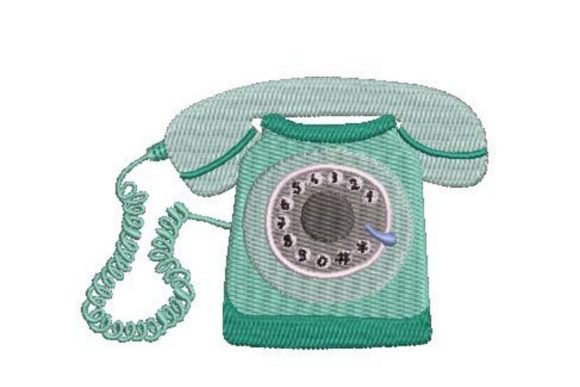
Retro Telephone Embroidery Review
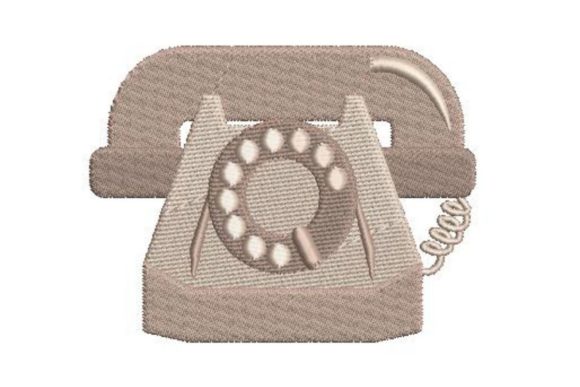
As an experienced embroidery designer constantly hunting for unique assets to elevate boutique apparel, I recently came across the Retro Telephone design on Creative Fabrica. In a market saturated with generic floral motifs and modern geometric shapes, finding a piece that immediately sparks a specific mood is rare. This machine embroidery design caught my eye not just for its nostalgic charm, but for its potential to transform standard sweatshirts and hoodies into statement pieces for a small clothing brand or Etsy shop.
The product description promises a "super cool telephone" that adds a retro accent to your projects. While brief, this simple claim sets a high bar for visual personality. When I first examined the digital preview of the Retro Telephone, it felt less like a clip-art icon and more like a vintage sticker waiting to be pressed onto fabric. The aesthetic leans heavily into a playful, mid-century vibe that resonates perfectly with current trends in lifestyle branding. It strikes a balance between being bold enough to stand out on a dark garment and cute enough to appeal to a feminine, youthful demographic.
Visual Personality and Mood
For any designer building a collection, the emotional resonance of a design is paramount. The Retro Telephone exudes a sense of nostalgia without feeling dated. It has a warm, inviting quality that suggests connection and communication, which translates beautifully into wearable art. Whether you are aiming for a rustic, cozy feel or a trendy, urban look, this design offers versatility. It feels premium in its execution, suggesting that the stitch work will likely have a clean finish rather than looking cheap or cluttered.
The design's strength lies in its decorative nature. It is not merely functional; it is an accessory in itself. On a plain neutral sweatshirt, the telephone acts as a focal point, drawing the eye immediately. On pastel hoodies, it adds a pop of character that elevates the garment from basic basics to curated fashion. For boutique brands, this kind of distinct imagery helps establish a recognizable visual identity. Customers browsing an online store will stop because the design tells a story before they even read the product title.
Applying Retro Telephone to Apparel Projects
I have been mentally mapping out how this Retro Telephone would perform across various garments for a hypothetical new collection. The possibilities for custom apparel are extensive. Imagine a line of oversized sweatshirts featuring the design centered on the chest. The contrast of the stitching against the soft fleece would create a tactile experience that encourages customers to touch the fabric. For a more subtle approach, placing the design on the sleeve could serve as a sophisticated accent that doesn't overwhelm the silhouette.
Back designs are another avenue where this motif shines. A larger placement on the back of a hoodie allows the telephone to become the centerpiece of a graphic tee style look. This works exceptionally well for social media graphics and printable mockups, as the design is distinctive enough to photograph beautifully. For tote bags and other merchandise, the embroidery file offers a durable alternative to screen printing, ensuring the design survives repeated washes while maintaining its crisp edges.
The versatility extends to different fabric textures as well. Denim jackets provide a rugged canvas where the retro phone stands out with a classic Americana feel. Cozy seasonal outfits, such as winter beanies or scarves, could also benefit from this charming addition. The design's ability to stitch out well on "any kind of fabric," as described, suggests it handles various thread colors effectively, allowing designers to match their brand palette precisely.
Strategic Placement and Considerations
While the Retro Telephone is promising, every professional designer knows that success depends on strategic placement and technical execution. There are areas where caution is required. Small chest placements on fitted t-shirts might feel crowded if the design is too dense. Similarly, applying this to ribbed fabric requires careful hoop tension to prevent puckering, as the stretchy nature of the material can distort the stitches if not managed correctly.
Dense stitch areas need attention when working with fleece or heavy cotton blends. If the design includes intricate details within the telephone handset or cord, the density must be balanced so the fabric does not become stiff or lose its drape. Dark garments present another challenge; while the design looks great, the choice of thread colors is critical. High-contrast threads will ensure visibility, whereas low-contrast choices might get lost in the background texture.
Curved surfaces, such as the shoulder area of a hoodie, require a flexible stabilizer system to maintain the integrity of the machine embroidery design. Tiny lettering, if included as part of the design, should be verified for readability at the intended size. These practical constraints do not diminish the value of the design but rather highlight the importance of testing before mass production.
Impact on Brand Value and Customer Trust
In the world of handmade products and commercial embroidery, presentation is everything. Using a cohesive and high-quality design like Retro Telephone signals professionalism to your buyers. When a customer receives a finished product that features clean stitching and a deliberate aesthetic, it builds trust in your brand. It moves the perception of the item from a generic commodity to a thoughtfully crafted good.
This level of detail enhances product recognition. If you consistently use designs with a similar retro or vintage flair, customers begin to associate that style with your shop name. This visual consistency is key for engagement on platforms like Etsy, where the thumbnail image often dictates the click-through rate. A well-executed Retro Telephone on a hoodie can drive sales by making the listing stand out among competitors using lower-quality prints.
Practical Designer Notes for Production
Before adding this design to your commercial inventory, there are essential steps every embroiderer must take. First, always test on scrap fabric that mimics the final garment. Check the stabilizer choice carefully; cut-away stabilizers are often necessary for knit fabrics to prevent distortion over time. Review the thread color contrast to ensure the design pops against your chosen apparel color.
Confirming the hoop size is vital to avoid cutting off parts of the design during stitching. Inspect the stitch density to ensure the design isn't too tight for the fabric weight. Since the product description mentions multiple file formats, verify that your specific embroidery machine can read them before committing to a large run. Finally, check the Creative Fabrica product details and licensing terms thoroughly. Understanding the commercial rights is crucial for selling finished apparel without legal issues.
The Retro Telephone represents a solid investment for creative entrepreneurs looking to expand their sweatshirt embroidery offerings. Its blend of nostalgia and style makes it a versatile tool for building a boutique brand. By approaching the project with care and attention to technical details, you can turn a simple digital file into a beloved physical product that resonates with your audience.