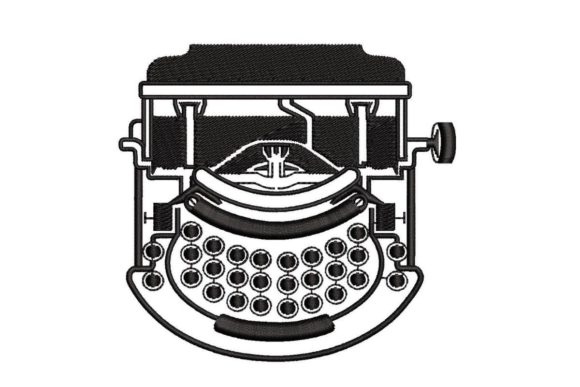
Typewriter: The Perfect Craft Fair Star
I have spent years reviewing digital assets for my own boutique, and I know that the difference between a design that sits in a folder and one that sells out at a booth often comes down to one thing: visual storytelling. Today, I am putting the "Typewriter" machine embroidery design through its paces. As an experienced designer preparing for a weekend craft fair, I don't just look at the pixels; I look at the potential of the finished product. This review is for every Etsy seller, boutique maker, and creative entrepreneur who wants to turn a simple embroidery file into a high-value handmade product.
First Impressions: A Nod to the Vintage Soul
The title "Typewriter" immediately evokes a specific mood. It feels nostalgic, rustic, and undeniably charming. When I first looked at the description, which promises "great details," I imagined a design that balances bold shapes with delicate lines. In the world of craft fairs, customers are drawn to items that tell a story before they even read the price tag. This design screams "home office," "writer's nook," or "cozy coffee shop."
Is it cute? Yes. Is it elegant? Absolutely. But more importantly, does it feel premium? Based on the promise of careful design work, this piece has the potential to be a standout focal point. It isn't just a generic icon; it suggests a lifestyle. For a handmade product, that emotional connection is everything. Whether you are selling to a writer, a teacher, or anyone who loves vintage aesthetics, the Typewriter design hits the right note for farmhouse and modern-rustic markets.
Product Potential: Where Typewriter Shines
Imagine setting up your table display. You have stacks of tote bags, aprons, tea towels, and patches waiting to be sold. Where does the Typewriter design fit best? Let's break down the top contenders for your inventory.
- Tote Bag Design: This is perhaps the strongest candidate. A typewriter graphic on a canvas tote bag is a classic combination. It works as a large focal design on the front panel or as a subtle accent on the side pocket. Customers love these bags for their utility and style, making them perfect impulse buys at a market.
- Apron Embroidery: For the culinary or crafting enthusiast, this design adds a touch of personality to a kitchen apron. It transforms a utilitarian garment into a statement piece that buyers can wear while cooking or working in their gardens.
- Tea Towel Embroidery: Kitchen linens are a staple at craft fairs. The Typewriter motif fits perfectly in a home decor context. It looks beautiful on white linen or a soft cream cotton, offering a clean, crisp look that photographs exceptionally well.
- Embroidered Patch: If you are looking for smaller, lower-priced items to fill gaps in your sales, turning this into a patch is a smart move. Patches can be applied to denim jackets, beanies, or backpacks, extending the life of your design beyond just the original item.
- Caps and Fabric Pouches: These are excellent for batch production. A small typewriter logo on a baseball cap or a zippered fabric pouch appeals to the younger demographic of craft fair attendees who want trendy accessories.
Visual Appeal and Photography
For any Etsy seller or online merchant, photography is king. The Typewriter design offers high contrast opportunities, which means it will pop in your listings. Whether you are creating a printable mockup for your website or taking photos of physical samples, the intricate details mentioned in the description should translate beautifully. A sharp, well-executed typewriter image draws the eye immediately, increasing dwell time on your product pages and catching attention from across a busy convention hall.
Production Reality: What You Need to Know
As a professional, I always advise testing before you commit to a full run. While the description highlights "great details," we must be realistic about the challenges of machine embroidery. Here are the practical considerations you need to address before hitting the road to sell.
Stitch Density and Clarity: Designs with fine lines or small lettering can sometimes get lost if the stitch density is too low or if the fabric texture is too rough. On a thick towel or a textured denim jacket, tiny details might blur together. Always check the spacing and ensure the design is scalable. If you plan to make small pouches, verify that the typewriter doesn't lose its shape when shrunk down.
Fabric Texture and Color: The success of this design relies heavily on thread colors. On dark fabric, you will need a strong underlay and potentially a light-colored stabilizer to prevent show-through. Conversely, on very soft fabrics like jersey, you might face puckering issues. I recommend using the right stabilizer for each project type to maintain the integrity of the design.
Hoop Size Constraints: Before you start producing hundreds of units, confirm the hoop size required for the Typewriter design. If the design is large, it may not fit on standard 4x4 hoops, requiring you to hoop multiple times or use larger frames. This affects your production speed and labor costs, so factor that into your pricing strategy.
Quality Control Checklist
To ensure your finished product reflects the quality of your brand, follow these steps:
- Test on Scrap Fabric: Never skip this step. Run a test on the exact fabric you intend to sell to see how the threads lay.
- Check Thread Contrast: Ensure the thread colors chosen make the typewriter stand out against the background material.
- Review Spacing: Make sure there is enough room around the edges for seams and hems without cutting off parts of the design.
- Create Real Mockups: Don't rely solely on digital renderings. Create at least one real sample to photograph for your listings.
- Confirm Licensing: Verify the commercial embroidery license terms before selling any items made with this digital embroidery file.
Selling Strategy: From Booth to Buyer
When you bring the Typewriter collection to a craft fair, you aren't just selling an object; you are selling a vibe. The design works well as a small shop product because it appeals to a broad audience. It fits into the "work" category but transcends it, appealing to anyone who appreciates analog charm in a digital age.
Consider grouping your products. Display a tote bag next to a matching tea towel and a small embroidered patch. This creates a cohesive brand consistency that encourages customers to buy more than one item. The Typewriter design acts as a unifying element across different product types, strengthening your booth display strength.
Finally, remember that the value of a handmade item lies in its execution. A poorly stitched typewriter looks cheap, but a perfectly executed one looks like a treasure. By paying attention to the details—checking the thread colors, ensuring the fabric texture complements the design, and managing your production workflow—you can turn this single embroidery file into a profitable line of goods.
In conclusion, the Typewriter design is a versatile, high-potential asset for any craft fair product lineup. It combines nostalgia with modern utility, making it a safe yet stylish choice for sellers looking to expand their offerings. With careful planning and attention to the technical aspects of embroidery, this design can become a bestseller in your handmade shop.