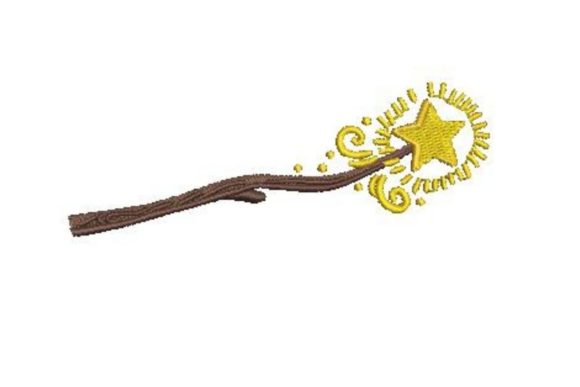
Magic Wand: A Designer's Review for Craft Fair Success
As an experienced embroidery designer who spends countless weekends setting up booths at local craft fairs and handmade markets, I know that the difference between a product that gathers dust and one that sells out in minutes often comes down to a single design element. Today, I am reviewing the Magic Wand machine embroidery design with a critical eye. My goal is not just to admire the art, but to determine its viability as a high-performing crafter fair product for small shop owners, Etsy sellers, and boutique makers.
The concept of bringing magic into a child's life by stitching this wonderful wand onto toys or accessories like hats and socks is compelling. However, in the physical world of trade shows, visual impact is everything. When I first looked at the Magic Wand design assets, my immediate impression was one of playful charm. It feels modern yet whimsical, perfectly suited for the "handmade" aesthetic that customers crave. It strikes a balance between being cute enough for children and sophisticated enough to sit alongside premium goods on a well-curated table display.
Visual Impact and Product Application
In a crowded booth filled with knitted scarves and wooden toys, the Magic Wand needs to stand out. This design has the potential to be a focal point rather than just a background accent. For an Etsy seller or a market vendor, versatility is key. I envision this design performing exceptionally well on tote bags, where it serves as a cheerful statement piece for parents shopping for their kids. The bold nature of the title suggests it works best as a medium-to-large focal design, capturing attention from across the aisle.
Consider the application on apron embroidery. A kitchen towel or apron featuring a Magic Wand adds a touch of fantasy to everyday chores, appealing to parents who want to make cooking fun for their little ones. Similarly, on tea towel embroidery, the design offers a delightful contrast to traditional floral patterns. It transforms a standard utility item into a giftable handmade item that feels special and unique.
For those looking to create an embroidered patch, this design could be a hit. Patches allow for easy application on denim jackets, backpacks, and caps, expanding the reach of the embroidery file beyond just home goods. The design also translates beautifully to fabric pouches and pillow covers, creating a cohesive collection for a booth display. When customers see a matching set—a tote bag, a pouch, and a pillow cover all featuring the same magical theme, they are more likely to purchase multiple items, increasing the average order value.
Production Practicality and Batch Selling
From a production standpoint, a successful craft fair product must be repeatable. Can you churn out five identical items quickly without losing quality? The Magic Wand design appears to have a clear structure, which is essential for batch production. If the stitch density is balanced, it will run smoothly on the hoop, reducing thread breaks and minimizing downtime during long setup sessions.
Photography for online listings is another crucial factor. A design that photographs well can sell itself before a customer even visits the booth. The Magic Wand should translate well into digital mockups and printable mockups for your Etsy shop. Its clean lines and distinct shapes ensure that it remains legible even in smaller thumbnail images on social media feeds. This visual clarity helps drive traffic to your listings and encourages impulse buys.
However, not every surface is created equal. When evaluating where the Magic Wand stands out, we must consider the texture of the fabric. On smooth cotton canvas, the design will pop with vibrant thread colors. But on textured towels or thick fleece, the details might get lost if the stitch density is too high. This is why testing is non-negotiable before committing to a large inventory run.
Critical Design Considerations and Careful Use
Every machine embroidery design has its limitations, and understanding them is what separates a professional from a hobbyist. While the Magic Wand sounds fantastic, there are areas where caution is required. Dense stitch areas can sometimes cause puckering, especially on lighter weight fabrics used for accessories like socks or thin hats. If the design includes tiny details or small lettering, these elements may lose clarity when stitched on curved cap surfaces or very small pouches.
Fabric texture plays a massive role in the final look. A design that looks crisp on a flat t-shirt might appear muddy on a heavily textured linen or a fuzzy knit. Dark fabrics present another challenge; unless you use high-quality underlay techniques or specific thread colors, the design might struggle to show up against a black or navy background. Always check the stitch density of the file to ensure it isn't so heavy that it distorts the fabric, particularly on items like pillow covers that need to remain soft and pliable.
If you plan to sell this as a commercial embroidery product, you must verify the licensing terms. Not all digital embroidery files come with the right to sell finished goods. Ensure you have the proper permissions before listing your small shop product on any marketplace. Additionally, confirm the recommended hoop size for the design to avoid cropping important elements during the digitizing process.
Designer Notes for Maximum Success
To truly bring the Magic Wand to life for your customers, I recommend following a strict production protocol. First, always test the design on scrap fabric that matches your intended final material. This allows you to see how the thread colors interact with the specific shade of your fabric. You might find that a bright blue thread looks different on white versus cream, affecting the overall mood of the piece.
Review your spacing carefully. Is the design centered correctly on the tote bag? Does it leave enough room for handles or seams? Confirming the hoop size beforehand prevents surprises mid-production. Inspect the stitch density closely; if it feels too tight, adjust your stabilizer choice. Using the right stabilizer is critical for maintaining the integrity of the design, especially on stretchy materials like jersey for hats or socks.
Create at least one real mockup before launching your full line. Place the finished product in a realistic setting, perhaps next to a child's toy or on a play mat, to gauge its appeal. Compare various fabric colors to see which palette resonates most with your target audience. Finally, double-check that the finished product meets your quality standards for handmade goods. A slightly loose thread or a misaligned start can ruin the perception of value.
The Magic Wand has the potential to be a standout addition to any maker's catalog. By focusing on the right products—tote bags, aprons, and gifts—and paying close attention to technical details like stabilizers and thread contrast, you can transform a simple design into a best-selling commercial embroidery item. Whether you are preparing for a weekend craft fair or updating your online store, this design offers a magical opportunity to connect with buyers looking for something special and handcrafted.