Pillow Cover Flowers: A Designer's Review for Craft Fairs
Stepping into the role of an experienced embroidery designer, I recently sat down to evaluate a new digital asset titled Pillow Cover Flowers. My goal was simple: determine if this design has the potential to become a bestseller at my upcoming weekend craft fair booth. In the world of handmade markets, the difference between a product that gathers dust and one that flies off the table often comes down to visual impact and production practicality. After analyzing the description and imagining how this machine embroidery design would translate from a screen to a physical item, here is my professional breakdown.
The First Impression: Versatility Meets Charm
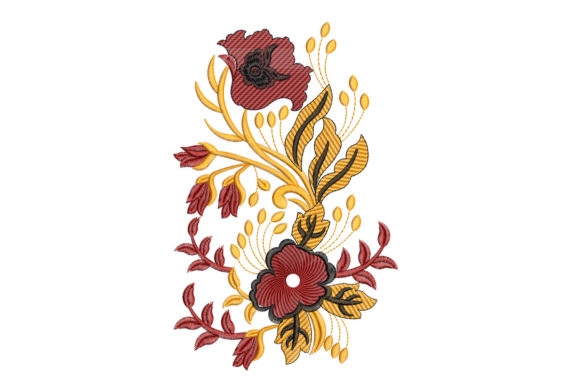
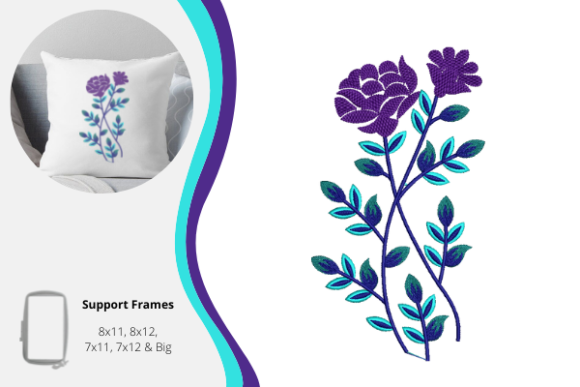
The title Pillow Cover Flowers immediately suggests a soft, decorative aesthetic. Based on the description highlighting its suitability for bed sheets, table cloths, and apparel, this design feels like it straddles the line between rustic farmhouse and modern elegance. For a craft fair seller, versatility is the currency of success. A design that can work on a pillow cover in the bedroom category but also transitions seamlessly to a tote bag or a hoodie offers immense value.
When I imagine this design on display, I picture something with a creative floral touch that isn't overly busy. It promises to be a focal point without overwhelming the fabric. This balance is crucial for attracting customers who are looking for unique, handmade gifts rather than mass-produced items. The description implies a design that is ready to bring life to canvas, hoodies, and other items, suggesting it has enough detail to look premium but likely enough open space to remain legible on smaller products.
From Digital File to Physical Product
As an Etsy seller and boutique maker, I need to know where this design shines brightest. Let's walk through the potential applications for Pillow Cover Flowers.
- Tote Bags and Market Bags: These are staple craft fair products. A floral design like this works exceptionally well as a large accent on a canvas tote. It adds a personal touch that elevates a standard carry-all into a statement piece. The natural flow of flowers usually complements the structured shape of a tote bag perfectly.
- Apron Embroidery and Tea Towels: In the kitchen decor niche, this design could be a standout. Whether placed centrally on a tea towel or near the pocket of an apron, the floral theme fits the domestic setting. However, the texture of terry cloth towels requires careful consideration regarding stitch density to ensure the design doesn't get lost in the loops.
- Embroidered Patches and Caps: If the design includes clean outlines, it could be converted into an embroidered patch for jackets or backpacks. On curved cap surfaces, the design needs to be compact. If the floral arrangement is too sprawling, it might distort when stitched onto the front curve of a hat.
- Fabric Pouches and Small Gifts: For small pouches used for cosmetics or jewelry, the design must be scaled down effectively. This is where the "creative floral touch" becomes a delicate detail. If the details are too tiny, they may blur on a small surface area.
Production Practicality and Sales Strategy
Before committing to a batch production run, I have to ask: Is this easy to produce? A design that takes three hours to stitch per unit will kill profit margins at a craft fair. The review of Pillow Cover Flowers suggests it is a machine embroidery design intended for various fabrics, which is promising. However, without specific data on stitch count or hoop size, I cannot assume efficiency.
For online listings, particularly for an Etsy seller, photography is everything. A design that looks great on a flat mockup might not photograph well if the lighting highlights uneven stitching. I would recommend creating at least one real mockup using different thread colors to see how the contrast plays against light and dark fabrics. If the design photographs beautifully, it will drive traffic to your shop. If it looks muddy in photos, no amount of marketing will save the sale.
Repeatability is another key factor. Can you quickly switch out the color of the thread and produce ten identical pillow covers? If the design allows for quick color changes and consistent registration, it is a strong candidate for batch production. This consistency builds brand trust; customers expect every item in their order to look identical.
Careful Use Notes: Avoiding Common Pitfalls
Even the most beautiful design assets can fail if applied incorrectly. Here are the critical areas to watch when working with Pillow Cover Flowers.
- Dense Stitch Areas: Floral designs often contain dense centers. If the stitch density is too high, the fabric may pucker, especially on thin materials like t-shirts or lightweight canvas. Always check the file settings before running a full production run.
- Small Details and Lettering: If the design includes any text or very fine petals, test them on scrap fabric first. Tiny details often lose clarity when stitched, particularly on textured towels or thick denim.
- Fabric Texture: The description mentions table cloths and bed sheets. While these are smooth, some textures can hide the top layer of thread. On rougher fabrics, the design might appear flatter than expected.
- Dark Fabric Challenges: If you plan to use this on dark hoodies or bags, you will need to consider underlay stitches and potentially a backing stabilizer to prevent the design from sinking into the fabric.
- Hoop Size Constraints: Ensure your hoop size matches the design dimensions. A design meant for a large pillow cover might be impossible to stitch accurately on a small cap without resizing, which can alter the aspect ratio and ruin the aesthetic.
Designer's Checklist for Success
To ensure Pillow Cover Flowers delivers the quality your handmade product deserves, follow these steps before heading to the market.
First, always test the design on scrap fabric. Do not assume the file will behave correctly on the final material. Check thread contrast carefully; a light flower on a white background might disappear, while a dark flower on black might blend in. Review the spacing to ensure there is enough room for the design to breathe on the product.
Confirm the hoop size required by the file. Using the wrong stabilizer is a common mistake that leads to puckering. For heavy items like aprons, a cut-away stabilizer is often necessary, whereas tear-away might suffice for lighter pillow covers. Create a real mockup and compare it against printable mockups to see if the digital representation matches reality.
Finally, confirm commercial licensing. As a digital embroidery file seller or a business owner, you must have the right to sell finished products made from this design. Without proper licensing, you risk legal issues and losing your standing on platforms like Etsy.
Final Verdict for the Booth
In conclusion, Pillow Cover Flowers appears to be a versatile addition to any embroiderer's collection. Its potential to span across bedroom decor, kitchen linens, and wearable accessories makes it a valuable tool for a craft fair booth. By focusing on high-quality execution, proper stabilizer usage, and strategic product placement, this design can significantly boost customer attention and perceived value.
Whether you are a small shop product creator or a seasoned commercial embroidery artist, taking the time to understand the nuances of the design will pay off in sales. When displayed correctly, this floral motif will not just decorate a pillow; it will tell a story of craftsmanship and creativity that buyers are eager to take home.